Table of Contents
Written by: Bea Pablo, Staff Writer

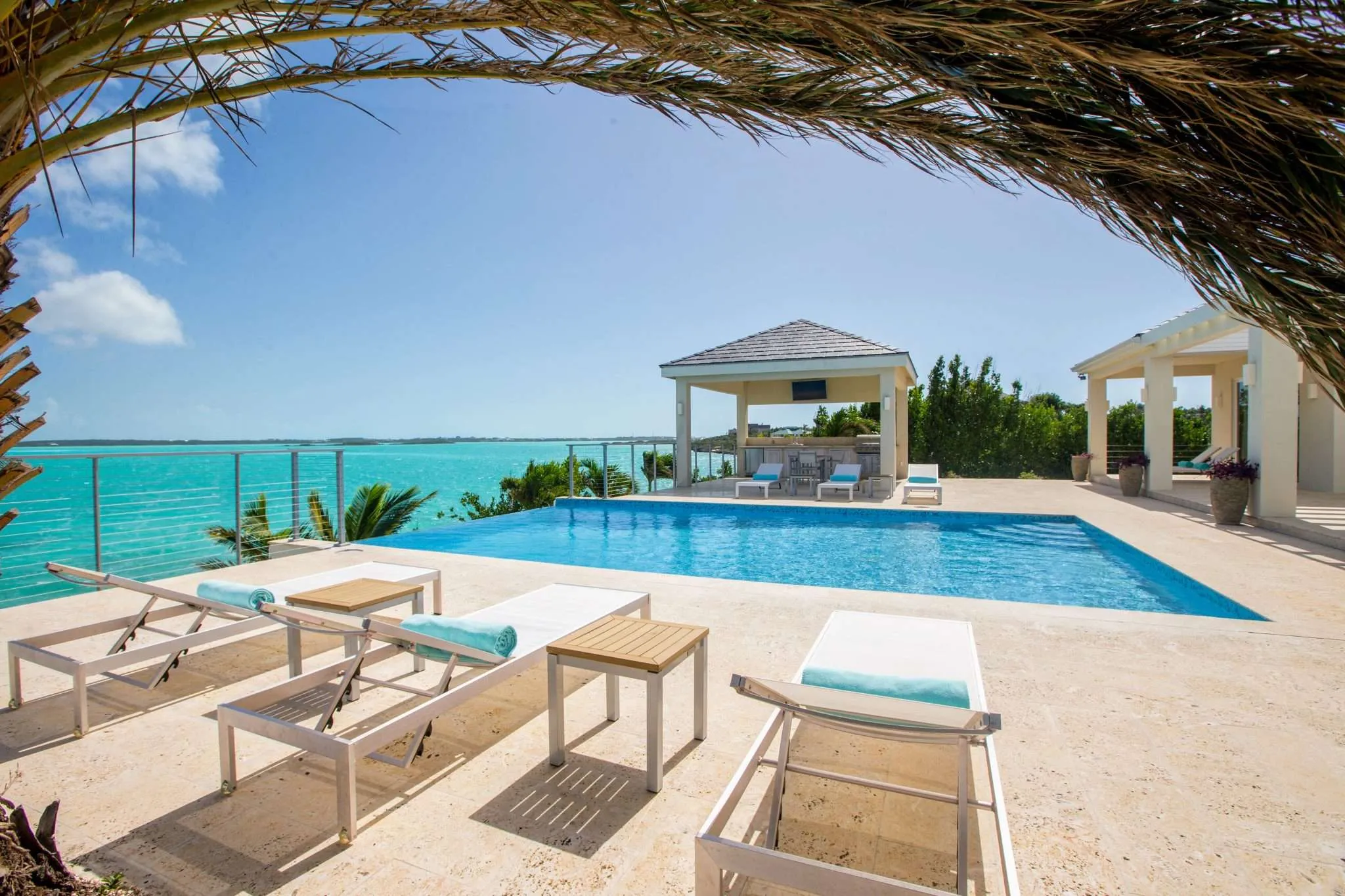
For years, owning a second home was considered a natural milestone of wealth. A ski residence in Aspen, a villa in Tuscany, or a beachfront retreat in the Caribbean represented not only luxury, but permanence, status, and escape. A recent survey we conducted on LinkedIn with the help from Sapience Communications suggests that attitudes toward second home ownership may be shifting, even among affluent buyers who can comfortably afford it.
The biggest surprise? Cost is no longer the primary concern. Instead, many buyers say the day-to-day reality of maintaining a second home has become the bigger issue. To better understand today’s second-home buyers, we surveyed 1,000 individuals interested in vacation home ownership and asked a simple question:
“If money were no object, what would stop you from buying a second home?”
62% of respondents said ongoing maintenance and operational hassle would stop them from purchasing a second home. By comparison, only 15% cited cost of ownership, while another 15% said they did not want to be tied to one destination. 8% said they would rather invest elsewhere entirely.
The most significant finding was that 62% of respondents said ongoing maintenance and hassle would stop them from buying a second home, even if money were no object. The poll was conducted among Equity Residences’ LinkedIn audience and supplemented with broader survey outreach targeting prospective and existing second-home owners within the mass affluent demographic.
The Luxury of Convenience
For many second homeowners, the appeal has long extended beyond the home itself. It represented consistency, familiarity, and a personal connection to a destination. But owning a second home also comes with responsibilities that rarely appear in glossy real estate listings.
Maintenance schedules. Staffing. Repairs. Security. Seasonal upkeep. Insurance. Coordinating all of it from another city or country can quickly become time-consuming, even for high-net-worth individuals with the financial means to outsource much of the work.
“There is a growing recognition among affluent buyers that today’s lifestyles are as much about convenience and flexibility as they are about ownership itself,” said Greg Salley, Founder and Managing Director of Equity Residences. “While second homes remain highly desirable, many buyers are questioning whether the upkeep and long-term commitment align with how they actually want to spend their time.”
That sentiment appears to be gaining traction across the prime residential market, particularly among globally mobile professionals, younger affluent buyers, and retirees who increasingly prioritize experiences over fixed assets.
For readers exploring how alternative ownership models work in practice, Equity Residences has also published a detailed guide explaining its luxury real estate investment structure, including how the fund model operates, how residences are managed, and how investors participate over the life of the fund.
A Shift Toward Flexibility in Luxury Real Estate
The findings come as alternative ownership models, including co-ownership and professionally managed residence clubs, continue to gain traction among buyers seeking access to multiple destinations without the operational burden traditionally associated with second homes. It was also noted that industry analysts have observed increasing demand for “lock-up-and-leave” residences and flexible ownership structures across key prime residential markets.
The survey findings contribute to a broader conversation taking place across the luxury residential market, as affluent buyers continue to reconsider what they value most in second home ownership. “Affluent consumers are increasingly focused on how they spend their time. The idea of owning a home that requires constant maintenance, staffing and oversight is becoming less attractive when compared to more flexible travel and ownership models.” Greg Salley added.

The findings reinforce a shift we have been watching closely across the luxury market. Affluent buyers still value second homes, but flexibility and convenience play a much larger role in decision-making than in the past. Buyers are increasingly looking for ways to enjoy luxury travel and residential experiences without the operational demands traditionally associated with second home ownership.
Final Thoughts
The survey findings suggest that affluent buyers are not losing interest in second home ownership itself, but they are becoming more selective about the lifestyle that comes with it. While second homes continue to hold strong appeal, convenience, flexibility, and reduced operational responsibility are becoming increasingly important considerations for today’s buyers. The findings also reflect a broader shift taking place across the luxury residential market, where many affluent consumers are reevaluating how ownership fits into modern lifestyles centered around time, mobility, and experience.
As alternative ownership models continue to gain attention, the conversation around luxury living is evolving beyond traditional ideas of ownership alone.
For more information about investment opportunities, contact us at info@equityresidences.com.