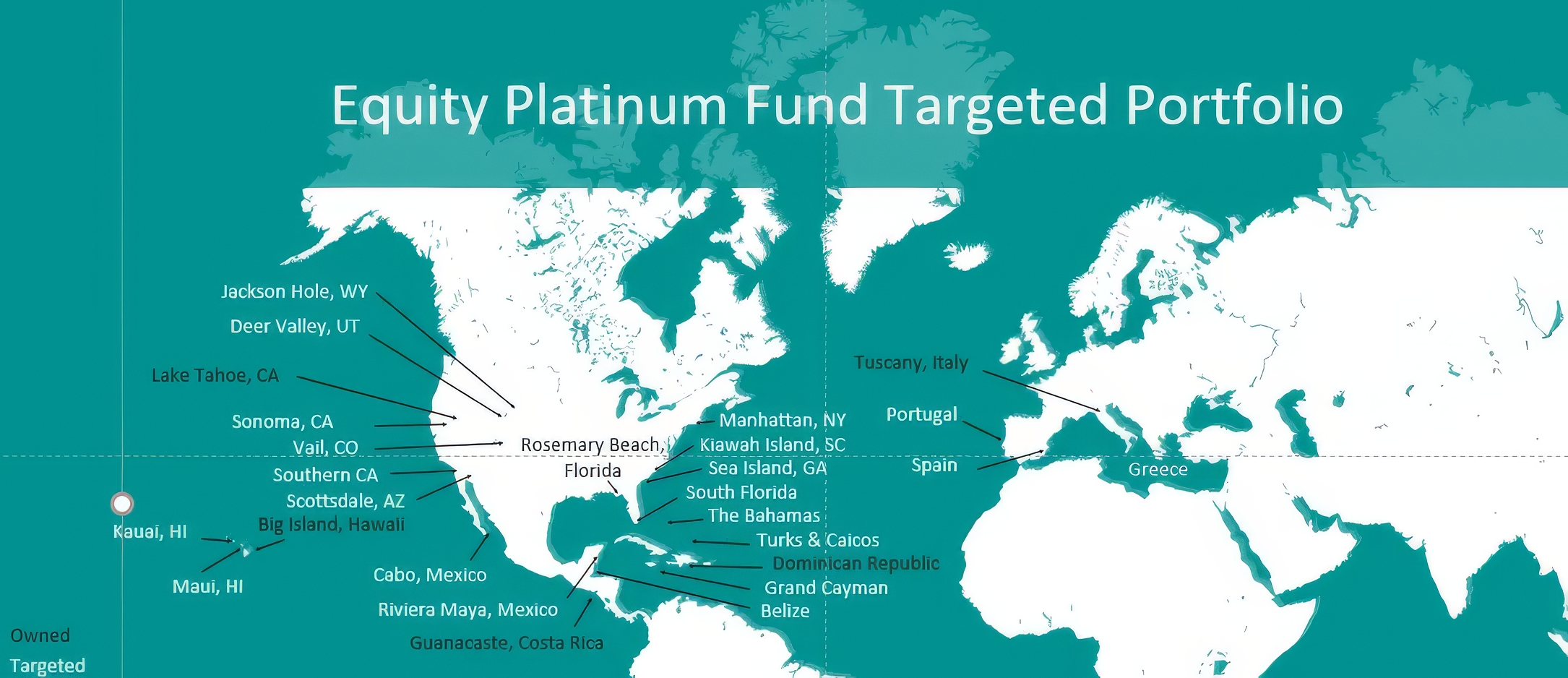
Equity Residences structures its funds to be a financial investment, while also providing the lifestyle benefits offered by destination clubs. Our funds have a 10-year liquidation horizon. At the end of that period, the fund residences are sold and the proceeds, including significant anticipated appreciation, are distributed to our investors. Your money goes to work as soon as you invest, and you go on incredible vacations with the people you love.
Destination clubs offer their members exclusive access to luxury vacation homes and hotels around the world. Members pay fees to access the portfolios and don’t hold any equity in the homes.
Fractionals offer a great way to split ownership of luxury vacation homes between multiple parties. Read our guide to fractionals here.
Private Residence Clubs are high-end fractionals. There are no legal or technical distinctions between the two but there are significant actual differences. Within the fractional ownership industry, developments selling their shared residences for $1,000 or more per square foot are deemed to be residence clubs, while fractionals are those developments selling for less.
Vacation clubs are variations of timeshares. Club members pre-pay for vacation time at the resort properties and choose between different destinations within the resort network.a
Following the success of our Equity Platinum Fund 1, we launched Equity Platinum Fund 2. The Fund will acquire exclusive residences in Hawaii, California, the Caribbean, and other highly coveted vacation destinations. The Fund’s objective is to raise $50 million to acquire up to 16 multi-million dollar luxury vacation investment homes in locations that offer world-class services and amenities, such as ski-in ski-out, beachfront location, and offer access to private clubs, golf courses and more. We aim to provide investors with a lifetime of vacation memories as well as financial returns.
At Equity Residences, we create exceptional vacation home investment funds. Over the years, our investors have consistently requested more homes in Europe, with top destinations like Lake Como, Coastal Italy, the Dolomites, the French Alps, Croatia, and the Greek Isles ranking at the top of our annual investor surveys.To meet this demand, we launched the Equity Euro Fund—our fourth fund.The fund is raising €33 million to acquire 12 luxury homes in Europe’s most sought-after locations. This diversified, Euro-denominated real estate portfolio allows investors to own vacation residences in prime markets while enjoying seamless access to world-class properties.Beyond financial benefits, our investors seek curated European experiences—spending a few weeks each year traveling between destinations like Bordeaux, Dubrovnik, Algarve, San Sebastian, Madeira, Nice/Cannes, Sardinia, and Innsbruck without the hassle of short-term rental bookings. With the Equity Euro Fund, their stays are covered, offering the perfect blend of lifestyle and investment.Following a successful initial launch to our investor base, we are now opening this exclusive opportunity to a wider audience. If you’ve ever dreamed of owning vacation homes in Europe while making a smart, diversified real estate investment, the Equity Euro Fund is your gateway to an extraordinary lifestyle.
vacation, property, home insurance, home equity loan, second mortgage, home equity line of credit, how to buy a vacation home, expense, interest rate, real estate investing, interest, vacation rental, price, option, cost, real estate agent, equity, credit score, line of credit, estate agent, asset, passive income, ratio, fractional ownership, pacaso, revenue, primary residence, home mortgage, llc, ski, vacasa, tax return, demand, cash flow, depreciation, coast, leisure, return on investment, internal revenue code section 1031, diversification, rocket mortgage, national association of realtors, climate, fair market value, cottage, flood insurance, market value, rule of thumb, deductible, condo hotel, lake, beauty, personal finance, opportunity cost, expert, income, is a vacation home a good investment, down payment, condominium, fee, risk, wealth, timeshare, lake tahoe, debt, remote work, inflation, net worth, inventory, capital gains tax, flood, internal revenue service, tax advantage, vacation rental management, pandemic, happiness, profit, average, dynamic pricing, law, investment fund, landlord, lease, estate planning, ski resort, recession, zoning, investment management, 401, bond, wear and tear, wealth management, buying a vacation home, hot tub, foreclosure, insurance policy, inheritance, saving, default, invest in vacation rentals, buy vacation rental property, vacation home investment, buy a vacation rental, purchase vacation rental property, best states to own rental property, owning vacation rental property, vacation rental property investment, vacation home down payment, vacation home purchase, owning a second home
Frequently Asked Questions
Are vacation homes a good hedge against inflation?
Vacation homes can serve as a good hedge against inflation, as real estate tends to appreciate in value over time, often outpacing the rate of inflation. The rental income generated from vacation homes can also provide a reliable stream of passive income.
Is a vacation home a safe long-term investment?
Investing in a vacation home can be a relatively safe long-term investment, as it provides a tangible asset that can appreciate in value over time and generate rental income when not in personal use.
Can I rent out my vacation home on Airbnb?
Renting out your vacation home on Airbnb can be a viable option, as it allows you to generate income when the property is not in use. However, it's important to consider factors such as local regulations, insurance requirements, and potential impact on your investment strategy.
What are the benefits of buying a vacation home?
The benefits of buying a vacation home include having a dedicated personal retreat, potential for rental income, tax advantages, and building long-term equity in a second property.
Is buying a vacation home a good real estate investment strategy?
Buying a vacation home can be a good real estate investment strategy, as it can provide rental income, potential for appreciation, and personal use benefits, but it also requires careful consideration of factors like location, costs, and property management.
What are the pros and cons of buying a vacation home?
The pros and cons of buying a vacation home include the ability to enjoy personal use, potential for rental income, and increased maintenance responsibilities, as well as the significant financial investment required.
Do vacation homes appreciate in value over time?
Vacation homes can appreciate in value over time due to factors such as location, amenities, and demand for vacation properties. The appreciation rate of vacation homes may vary depending on the specific market and economic conditions.
Can a vacation home provide tax benefits and savings?
Owning a vacation home can provide tax benefits and potential savings through deductions for mortgage interest, property taxes, and certain operating expenses.
How does the location impact the investment potential?
The location of a property significantly impacts its investment potential, as factors such as proximity to amenities, natural attractions, and transportation hubs can influence demand and appreciation.
Can a vacation home generate consistent passive income?
Vacation homes can generate consistent passive income through short-term rental arrangements, provided they are located in desirable destinations and properly managed.
What factors influence vacation home appreciation rates?
Key factors that influence vacation home appreciation rates include location, amenities, rental income potential, and overall economic conditions in the region.
How to evaluate vacation home rental potential?
Evaluating the vacation home rental potential involves assessing factors like location, local demand, comparable properties, operating costs, and expected rental income to determine the investment's feasibility and profitability.
What are common pitfalls in vacation home investments?
Common pitfalls in vacation home investments include overestimating rental income, underestimating maintenance and operating costs, location mismatch with target market, and lack of flexibility in usage and ownership models.
How to choose the right vacation home location?
Choosing the right vacation home location involves considering factors such as proximity to desired activities, accessibility, climate, and resale potential to ensure the investment aligns with your lifestyle and financial goals.
What financing options are available for vacation homes?
The financing options available for vacation homes include traditional mortgages, home equity loans, vacation home loans, and fractional ownership agreements, each with their own set of benefits and considerations.
How to assess vacation home market trends?
Assessing vacation home market trends involves analyzing factors like regional demand, pricing, inventory, and industry insights to identify investment opportunities and informed decision-making.
What are the tax benefits of vacation home ownership?
The tax benefits of vacation home ownership may include deductions for mortgage interest, property taxes, and some operating expenses, as well as potential capital gains tax advantages upon sale.
How to manage a vacation home remotely?
Effectively managing a vacation home remotely involves leveraging technology for remote monitoring, hiring a property manager, and establishing procedures for maintenance, cleaning, and guest communication to ensure the property is well-cared for.
What insurance is necessary for vacation homes?
The necessary insurance for vacation homes typically includes homeowners insurance, liability insurance, and additional coverage for rental or vacation use.
How to calculate vacation home investment returns?
Calculating vacation home investment returns involves considering factors such as rental income, property appreciation, operating expenses, and tax benefits to determine the overall return on investment.
What are the maintenance costs for vacation homes?
The maintenance costs for vacation homes can vary depending on factors such as location, age of the property, and amenities, but typically include costs for utilities, repairs, insurance, and property management fees.
How to find reliable property management for vacation homes?
Finding reliable property management for vacation homes involves researching companies with experience, positive reviews, and a proven track record of effectively managing similar properties.
What legal considerations exist for vacation home rentals?
The legal considerations for vacation home rentals include obtaining the necessary licenses and permits, complying with zoning laws, adhering to tax regulations, ensuring proper insurance coverage, and understanding landlord-tenant laws in the rental location.
How to market a vacation home for rent?
Marketing a vacation home for rent involves creating an online presence, leveraging vacation rental platforms, promoting on social media, offering competitive pricing, and providing excellent guest experiences to encourage positive reviews and word-of-mouth referrals.
What amenities increase vacation home rental value?
Certain amenities can significantly increase the rental value of a vacation home, such as a private pool, hot tub, high-end appliances, and proximity to popular attractions or beaches.
How to determine the best time to buy?
Determining the best time to buy involves analyzing market trends, interest rates, and your personal financial situation to identify the optimal window for a real estate investment.
What are the risks of vacation home investments?
The risks of vacation home investments include high maintenance costs, fluctuations in the real estate market, potential challenges in finding reliable renters, and the need for significant upfront capital investment.
How to negotiate vacation home purchase prices?
Negotiating vacation home purchase prices typically involves researching comparable properties, identifying seller motivations, and leveraging factors like timing, cash offers, and flexible closing terms to reach a mutually agreeable price.
What are the benefits of fractional ownership?
The benefits of fractional ownership include lower upfront costs, shared maintenance responsibilities, increased flexibility, and potential appreciation in the underlying asset value.
How to transition from renting to owning a vacation home?
Transitioning from renting to owning a vacation home involves understanding investment models like fractional ownership, evaluating costs and benefits, and identifying the right property that aligns with your investment goals and budget.

is a vacation home a good investment, vacation property investment, is buying a vacation home a good investment, is a vacation rental a good investment, are vacation rentals a good investment, are vacation homes a good investment, vacation rental investments, equity destination club, equity residences, luxury fractional guide
vacation, property, home insurance, home equity loan, second mortgage, home equity line of credit, how to buy a vacation home, expense, interest rate, real estate investing, interest, vacation rental, price, option, cost, real estate agent, equity, credit score, line of credit, estate agent, asset, passive income, ratio, fractional ownership, pacaso, revenue, primary residence, home mortgage, llc, ski, vacasa, tax return, demand, cash flow, depreciation, coast, leisure, return on investment, internal revenue code section 1031, diversification, rocket mortgage, national association of realtors, climate, fair market value, cottage, flood insurance, market value, rule of thumb, deductible, condo hotel, lake, beauty, personal finance, opportunity cost, expert, income, is a vacation home a good investment, down payment, condominium, fee, risk, wealth, timeshare, lake tahoe, debt, remote work, inflation, net worth, inventory, capital gains tax, flood, internal revenue service, tax advantage, vacation rental management, pandemic, happiness, profit, average, dynamic pricing, law, investment fund, landlord, lease, estate planning, ski resort, recession, zoning, investment management, 401, bond, wear and tear, wealth management, buying a vacation home, hot tub, foreclosure, insurance policy, inheritance, saving, default, invest in vacation rentals, buy vacation rental property, vacation home investment, buy a vacation rental, purchase vacation rental property, best states to own rental property, owning vacation rental property, vacation rental property investment, vacation home down payment, vacation home purchase, owning a second home
Frequently Asked Questions
Are vacation homes a good hedge against inflation?
Vacation homes can serve as a good hedge against inflation, as real estate tends to appreciate in value over time, often outpacing the rate of inflation. The rental income generated from vacation homes can also provide a reliable stream of passive income.
Is a vacation home a safe long-term investment?
Investing in a vacation home can be a relatively safe long-term investment, as it provides a tangible asset that can appreciate in value over time and generate rental income when not in personal use.
Can I rent out my vacation home on Airbnb?
Renting out your vacation home on Airbnb can be a viable option, as it allows you to generate income when the property is not in use. However, it's important to consider factors such as local regulations, insurance requirements, and potential impact on your investment strategy.
What are the benefits of buying a vacation home?
The benefits of buying a vacation home include having a dedicated personal retreat, potential for rental income, tax advantages, and building long-term equity in a second property.
Is buying a vacation home a good real estate investment strategy?
Buying a vacation home can be a good real estate investment strategy, as it can provide rental income, potential for appreciation, and personal use benefits, but it also requires careful consideration of factors like location, costs, and property management.
What are the pros and cons of buying a vacation home?
The pros and cons of buying a vacation home include the ability to enjoy personal use, potential for rental income, and increased maintenance responsibilities, as well as the significant financial investment required.
Do vacation homes appreciate in value over time?
Vacation homes can appreciate in value over time due to factors such as location, amenities, and demand for vacation properties. The appreciation rate of vacation homes may vary depending on the specific market and economic conditions.
Can a vacation home provide tax benefits and savings?
Owning a vacation home can provide tax benefits and potential savings through deductions for mortgage interest, property taxes, and certain operating expenses.
How does the location impact the investment potential?
The location of a property significantly impacts its investment potential, as factors such as proximity to amenities, natural attractions, and transportation hubs can influence demand and appreciation.
Can a vacation home generate consistent passive income?
Vacation homes can generate consistent passive income through short-term rental arrangements, provided they are located in desirable destinations and properly managed.
What factors influence vacation home appreciation rates?
Key factors that influence vacation home appreciation rates include location, amenities, rental income potential, and overall economic conditions in the region.
How to evaluate vacation home rental potential?
Evaluating the vacation home rental potential involves assessing factors like location, local demand, comparable properties, operating costs, and expected rental income to determine the investment's feasibility and profitability.
What are common pitfalls in vacation home investments?
Common pitfalls in vacation home investments include overestimating rental income, underestimating maintenance and operating costs, location mismatch with target market, and lack of flexibility in usage and ownership models.
How to choose the right vacation home location?
Choosing the right vacation home location involves considering factors such as proximity to desired activities, accessibility, climate, and resale potential to ensure the investment aligns with your lifestyle and financial goals.
What financing options are available for vacation homes?
The financing options available for vacation homes include traditional mortgages, home equity loans, vacation home loans, and fractional ownership agreements, each with their own set of benefits and considerations.
How to assess vacation home market trends?
Assessing vacation home market trends involves analyzing factors like regional demand, pricing, inventory, and industry insights to identify investment opportunities and informed decision-making.
What are the tax benefits of vacation home ownership?
The tax benefits of vacation home ownership may include deductions for mortgage interest, property taxes, and some operating expenses, as well as potential capital gains tax advantages upon sale.
How to manage a vacation home remotely?
Effectively managing a vacation home remotely involves leveraging technology for remote monitoring, hiring a property manager, and establishing procedures for maintenance, cleaning, and guest communication to ensure the property is well-cared for.
What insurance is necessary for vacation homes?
The necessary insurance for vacation homes typically includes homeowners insurance, liability insurance, and additional coverage for rental or vacation use.
How to calculate vacation home investment returns?
Calculating vacation home investment returns involves considering factors such as rental income, property appreciation, operating expenses, and tax benefits to determine the overall return on investment.
What are the maintenance costs for vacation homes?
The maintenance costs for vacation homes can vary depending on factors such as location, age of the property, and amenities, but typically include costs for utilities, repairs, insurance, and property management fees.
How to find reliable property management for vacation homes?
Finding reliable property management for vacation homes involves researching companies with experience, positive reviews, and a proven track record of effectively managing similar properties.
What legal considerations exist for vacation home rentals?
The legal considerations for vacation home rentals include obtaining the necessary licenses and permits, complying with zoning laws, adhering to tax regulations, ensuring proper insurance coverage, and understanding landlord-tenant laws in the rental location.
How to market a vacation home for rent?
Marketing a vacation home for rent involves creating an online presence, leveraging vacation rental platforms, promoting on social media, offering competitive pricing, and providing excellent guest experiences to encourage positive reviews and word-of-mouth referrals.
What amenities increase vacation home rental value?
Certain amenities can significantly increase the rental value of a vacation home, such as a private pool, hot tub, high-end appliances, and proximity to popular attractions or beaches.
How to determine the best time to buy?
Determining the best time to buy involves analyzing market trends, interest rates, and your personal financial situation to identify the optimal window for a real estate investment.
What are the risks of vacation home investments?
The risks of vacation home investments include high maintenance costs, fluctuations in the real estate market, potential challenges in finding reliable renters, and the need for significant upfront capital investment.
How to negotiate vacation home purchase prices?
Negotiating vacation home purchase prices typically involves researching comparable properties, identifying seller motivations, and leveraging factors like timing, cash offers, and flexible closing terms to reach a mutually agreeable price.
What are the benefits of fractional ownership?
The benefits of fractional ownership include lower upfront costs, shared maintenance responsibilities, increased flexibility, and potential appreciation in the underlying asset value.
How to transition from renting to owning a vacation home?
Transitioning from renting to owning a vacation home involves understanding investment models like fractional ownership, evaluating costs and benefits, and identifying the right property that aligns with your investment goals and budget.
is a vacation home a good investment, vacation property investment, is buying a vacation home a good investment, is a vacation rental a good investment, are vacation rentals a good investment, are vacation homes a good investment, vacation rental investments, equity destination club, equity residences, luxury fractional guide